
Trusted by 145+ Homeowners
Hardwood Floor Water Damage Repair in Gibsonville, NC
- Over 148 5-Star Reviews
- Free Estimates and Quotes
- 100% Satisfaction Guaranteed
- Child, Family & Pet Safe Steps
- 24-Hour Emergency Service
- Fully Licensed & Insured
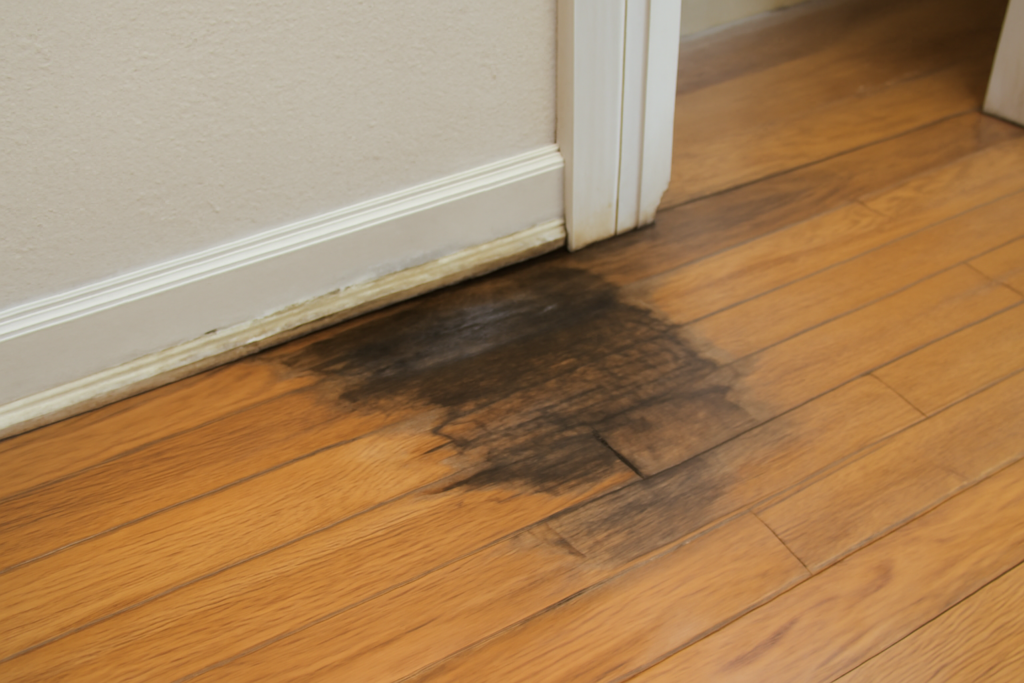
Quick Actions to Take If Your Hardwood Floors Get Water Damage
You might not realize it, but standing water on hardwood floors can cause irreversible damage in just a few hours. Don’t wait for the smell to start or the floor to warp. The first 60 minutes after water exposure are critical. Call a local expert and stop the water source immediately. Move furniture away to prevent further spread. Your quick actions can make a big difference.
Homeowners in Gibsonville, NC trust our team for fast, effective hardwood floor water damage repair. With 165+ five-star reviews, we know what it takes to handle this kind of job right. Local knowledge and expert training mean we understand the unique challenges of your area. Same-day service is possible when you act fast.
- Speed is essential for saving your floors. Delay can lead to mold, warping, and costly replacements.
- Professional equipment like industrial extractors and air movers can dry your floors faster and more thoroughly.
- Trained technicians know exactly how to handle different types of water damage and hardwood species.
How This Service Actually Works
Hardwood floor water damage repair isn’t just about removing water. It’s about restoring your floors to their original state without causing more harm. Our team follows a strict process that includes inspection, extraction, drying, and final checks. Skipping steps can lead to hidden moisture that causes long-term damage. Proper drying and timely intervention are the keys to success.
Step 1: Inspection and Assessment
Your technician will check the extent of the damage and identify the source. Look for hidden moisture in subfloor areas. Document all findings to guide the next steps. Time is of the essence so we move quickly without rushing.
Step 2: Water Removal and Extraction
Large amounts of water are removed using powerful extractors. Remove standing water to prevent further damage. Use air movers to speed up the drying process. Keep the area ventilated for the best results.
Step 3: Drying and Dehumidification
Specialized equipment is placed to remove moisture from the wood and subfloor. Monitor humidity levels every few hours. Use thermal imaging to find hidden moisture. Continue until all areas are dry and safe.
Step 4: Cleaning and Restoration
Once dry, the floor is cleaned and treated to prevent future damage. Apply protective finishes as needed. Check for warping or cupping and address any issues. Ensure the floor is ready for use before you return.
Step 5: Final Inspection and Reporting
Your technician will review the work and provide a detailed report. Confirm that all moisture is gone and the floor is in good condition. Explain any next steps if needed. Leave you confident in the results and the process.
If you’re dealing with water damage, don’t wait. Call a professional and act fast. Save your floors with the right help and the right timing.

Warning Signs You Need Hardwood Floor Water Damage Repair
Early detection can save you time and money. If you notice any of these signs, it’s time to take action. Don’t ignore the clues your floor is giving you. Address the issue before it gets worse and causes more damage.
Musty Odors That Won’t Go Away
A damp, moldy smell means moisture is trapped in your floor. Check for hidden mold in corners and under rugs. Address the source before it spreads. Odors can become a health hazard if left unchecked.
Warping or Cupping Floors
Wood that’s buckling or curling at the edges is a sign of moisture damage. Inspect the entire floor for changes. Warping can lead to structural issues if not fixed. Take action before the damage becomes permanent.
Discolored or Stained Areas
Dark spots or watermarks on your floor mean moisture has soaked into the wood. Look for patterns that show where the water was. Discoloration can be hard to remove once it sets in. Act quickly to prevent further staining.
Soft or Spongy Spots
If your floor feels squishy underfoot, it’s a clear sign of water damage. Test the floor for moisture in different areas. Soft spots can lead to collapse if not handled. Don’t walk on the affected areas to avoid further damage.
Peeling or Bubbling Finish
A glossy surface that’s peeling or bubbling shows the wood is saturated. Check the edges and corners for signs of damage. Moisture can weaken the finish and lead to more issues. Fix the problem before the finish is ruined.
Unusual Sounds When Walking
If your floor makes creaks or groans when you walk, it could be moisture causing the wood to shift. Listen for changes in sound as you move around. Unusual noises can mean hidden damage is occurring. Get help before it gets worse.
Hardwood Floor Water Damage Repair vs. DIY: When To Call a Professional
| Situation | DIY? | Call a Pro? | Why |
|---|---|---|---|
| Small puddle on a few boards | Yes | No | Quick action can prevent bigger issues. |
| Standing water over a large area | No | Yes | Professional equipment is needed for full removal. |
| Water under baseboards or in walls | No | Yes | Hidden moisture can lead to mold and structural damage. |
| Water damage after a flood | No | Yes | Large-scale damage needs expert handling and drying. |
| Old or weakened wood | No | Yes | Professional assessment is needed to avoid further damage. |
| Water damage in a high-traffic area | No | Yes | Quick and thorough repair is essential to avoid more disruption. |
Some small issues can be handled on your own, but for any serious or widespread water damage, a professional is better equipped to handle the job. Proper drying and expert assessments are essential for keeping your floors safe and your home healthy.
Hardwood Floor Water Damage Repair Cost In Gibsonville, NC
Costs vary depending on the size of the area, the type of water, and the extent of the damage. These are general estimates and not guarantees. Get an on-site evaluation to get a clear idea of what you’ll need. Ask for a free estimate to understand the options available to you.
| Service | Typical Price Range | What Affects Cost |
|---|---|---|
| Water extraction and removal | $300 – $1,000 | Size of area, amount of water, and access to the floor. |
| Drying and dehumidification | $500 – $2,000 | Moisture levels, number of air movers, and drying time. |
| Inspection and assessment | $100 – $300 | Complexity of the damage and need for thermal imaging. |
| Restoration and refinishing | $800 – $5,000 | Extent of damage, type of wood, and desired finish. |
| Professional mold remediation | $500 – $3,000 | Amount of mold, location, and need for containment. |
| Emergency response and labor | $200 – $1,000 | Urgency of the call and number of technicians needed. |
Exact pricing depends on an on-site assessment. Get a free estimate to understand the next steps. Speak with a specialist to find the best solution for your situation.
Service Areas Near Gibsonville, NC
Gibsonville, Browns Summit, Creedmoor, Fuquay Varina, Knightdale, Wendell, Apex, Cary, Raleigh, Durham, Chapel Hill, Hillsborough, Morrisville, Cary, Raleigh, Durham, Chapel Hill, Hillsborough, Morrisville, and Cary.
Common Questions About Hardwood Floor Water Damage Repair
How much does hardwood floor water damage repair cost?
The cost depends on the size of the area and the type of damage. Get a free estimate to understand what you’ll need. Proper drying and restoration help avoid higher costs later. Call a professional for an accurate assessment.
How long does it take to repair water-damaged hardwood floors?
Repair times vary, but most jobs take 3-5 days. Quick action helps reduce the time needed. Professional equipment speeds up the drying process. Don’t wait to start the repair.
Can water damage to hardwood floors be reversed?
Some damage can be reversed, but it depends on how quickly you act. Early intervention is key. Professional restoration helps save the floor. Don’t ignore the signs of damage.
What are the risks of ignoring water damage to hardwood floors?
Ignoring damage can lead to mold, warping, and structural issues. Health risks from mold are a concern. Costly repairs can result from delayed action. Act quickly to prevent further harm.
What should I do after water damage to my hardwood floors?
Remove standing water, stop the source, and call a professional. Don’t use heat or fans to dry the floor. Keep the area ventilated and avoid walking on the floor. Get expert help as soon as possible.
Check Our Other Relevant Services

Wesley Barr is a licensed Damage Restoration Expert with more than 20 years of professional experience in property mitigation and environmental recovery. As a seasoned specialist, Wesley has dedicated his career to mastering the science of disaster restoration, ensuring every home and business is returned to a safe, healthy state. His extensive tenure in the field makes him a premier authority for those facing complex property crises.
𝗖𝗲𝗿𝘁𝗶𝗳𝗶𝗰𝗮𝘁𝗶𝗼𝗻𝘀: Wesley holds elite IICRC certifications in Water Damage Restoration (WRT), Mold Remediation (AMRT), Applied Structural Drying (ASD), Odor Control, and Fire and Smoke Restoration.
𝗙𝗮𝘃𝗼𝗿𝗶𝘁𝗲 𝗣𝗮𝘀𝘁𝗶𝗺𝗲: When away from the job site, Wesley is an avid cyclist and enjoys exploring coastal trails or working on home improvement projects.
𝗕𝗲𝘀𝘁 𝗣𝗮𝗿𝘁 𝗼𝗳 𝘁𝗵𝗲 𝗝𝗼𝗯: Wesley finds the most fulfillment in being the expert who brings order back to chaos, helping families regain their sense of security after a devastating loss.


