
Trusted by 145+ Homeowners
Temperature-Controlled Drying in Louisburg, NC
- Over 148 5-Star Reviews
- Free Estimates and Quotes
- 100% Satisfaction Guaranteed
- Child, Family & Pet Safe Steps
- 24-Hour Emergency Service
- Fully Licensed & Insured
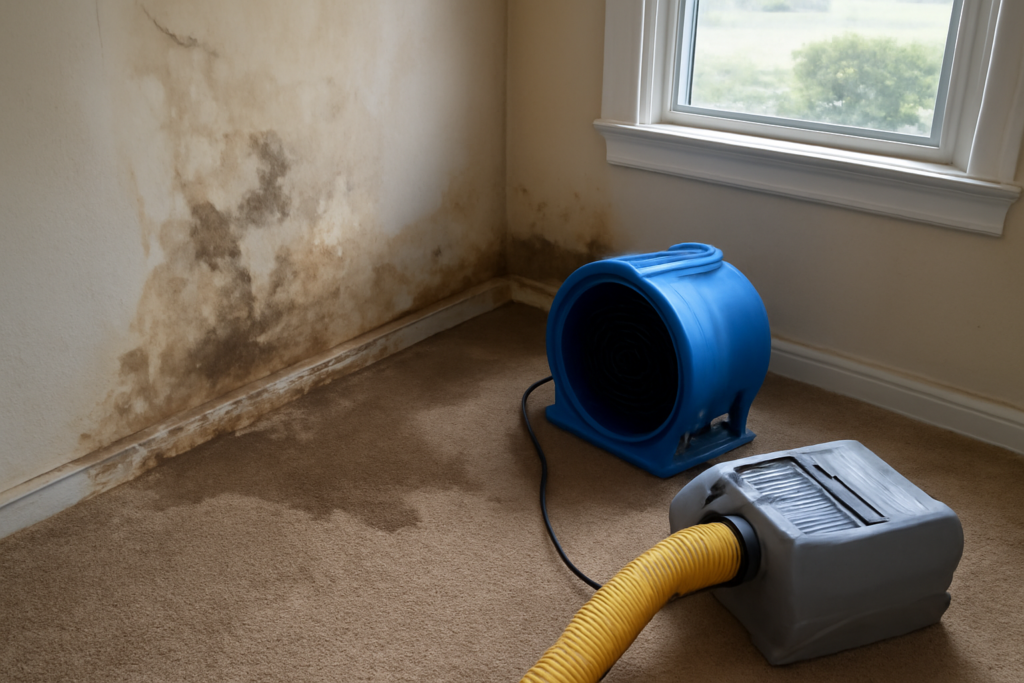
Temperature-Controlled Drying in Louisburg, NC
You might not think about it, but water damage can turn into a bigger problem if you don’t act fast. The longer water sits, the more it spreads and the harder it is to fix. That’s where temperature-controlled drying comes in. It’s not just about removing water, it’s about controlling the environment to stop mold and damage from taking hold. You need a plan that works with the weather, not against it. And that starts with the right equipment and the right team.
Homeowners in the area know that with water damage, timing is everything. Our team has over 165 five-star reviews from people who’ve seen the difference that fast, focused action makes. We don’t just dry your home, we protect it. That’s why so many in your neighborhood choose us for temperature-controlled drying. It’s not just about getting the job done. It’s about doing it right the first time.
- Efficient and thorough temperature-controlled drying uses precise heat and airflow to dry your home faster and more completely than standard methods.
- Prevents mold growth by managing humidity and temperature, we create conditions that stop mold from taking hold.
- Reduces long-term damage proper drying saves you money on repairs and keeps your home safe for years to come.
How Temperature-Controlled Drying Actually Works
Temperature-controlled drying isn’t a one-size-fits-all approach. It needs careful planning, the right tools, and an understanding of how different materials react to moisture. Our team starts by assessing the damage and setting up equipment that matches the size and type of water intrusion. The goal is to move water out as quickly as possible while managing the environment to prevent secondary damage. Skipping steps or using the wrong tools can lead to more problems down the line. That’s why the process matters so much.
Step 1: Initial Assessment and Water Removal
Our technicians arrive quickly, often within 60 minutes of your call. They use powerful extractors to remove standing water and start the drying process. The faster you act, the less damage you’ll face. You don’t want to wait, water doesn’t stop spreading. It’s important to get the right equipment in place early. We use tools that can handle up to 2 inches of water in a short time.
Step 2: Setting Up Drying Equipment
Once the water is out, we bring in air movers and dehumidifiers. These tools work together to pull moisture from the air and materials. The temperature is carefully controlled to speed up evaporation without causing more harm. You’ll see the difference in how quickly your home dries compared to other methods. It’s not just about drying, it’s about doing it the right way.
Step 3: Monitoring and Adjusting
We don’t just set up the equipment and walk away. Our team checks the progress every few hours. They adjust the temperature and airflow as needed to keep moisture levels under control. This constant monitoring is what makes temperature-controlled drying so effective. It’s not a passive process, it’s active, precise, and focused on your home’s needs.
Step 4: Final Inspection and Cleanup
When the drying is complete, we do a final check to make sure everything is dry and safe. This includes testing materials and checking for any hidden moisture. We clean up all equipment and leave your home in better shape than we found it. It’s the last step that ensures no damage is left behind. You should feel confident that the job is done right.
Step 5: Preventing Future Issues
After the drying is done, we help you understand how to prevent similar issues in the future. This includes checking for leaks, improving drainage, and making sure your home is protected. It’s not just about fixing what’s broken, it’s about making sure it doesn’t happen again. That’s the kind of care we bring to every job.
Don’t wait for the problem to get worse. The sooner you act, the better. Contact us now and get the help you need. We’re here to make sure your home is safe and dry. It’s not just about fixing damage, it’s about protecting your family and your investment.

Warning Signs You Need Temperature-Controlled Drying
Some water damage is obvious, but others can hide in plain sight. You might not notice the problem until it’s too late. That’s why it’s important to know the warning signs. The earlier you act, the more you’ll save in the long run. These signs can mean the difference between a quick fix and a major repair. Don’t ignore them, they’re warnings that something is wrong.
Musty Odors That Won’t Go Away
If you smell a damp, moldy smell and it doesn’t go away, it’s a sign that moisture is lingering. This can lead to mold growth and structural damage. You don’t want to wait, the longer it stays, the harder it is to fix. It’s a sign that the air isn’t dry enough and that more work is needed.
Warping or Buckling Materials
Wood, drywall, and flooring can warp or buckle when they absorb too much moisture. This is a sign that water has been sitting for a while. You might not see the water, but the damage is already there. It’s a warning that the drying process needs to be more aggressive. Don’t ignore it, it can lead to permanent damage.
High Humidity Levels
If the air in your home feels stuffy or damp, it could mean that moisture isn’t being properly removed. Temperature-controlled drying helps manage humidity so your home can dry safely. If you notice this, it’s time to take action. High humidity can lead to mold, which is expensive to fix.
Water Stains on Ceilings or Walls
Stains on ceilings or walls are a clear sign that water has been there for a while. These stains can mean that moisture is trapped in the structure. You need to deal with it before it causes more damage. It’s not just about cleaning, it’s about drying and preventing future issues.
Unusual Sounds from Pipes or Walls
Strange noises from your plumbing or walls can mean that water is trapped in places you can’t see. It might be slow-moving or stuck in a corner. This can lead to more damage if left unchecked. You need to get it checked out before it becomes a bigger problem. It’s not just about fixing the sound, it’s about finding the source.
Increased Energy Bills
If your energy bills are rising without a clear reason, it could be a sign that your home is working harder to manage moisture. Damp materials can affect your heating and cooling system. It’s a sign that something is wrong and needs to be fixed. You don’t want to ignore it, it could cost you more in the long run.
Temperature-Controlled Drying vs. DIY: When To Call a Professional
| Situation | DIY? | Call a Pro? | Why |
|---|---|---|---|
| Small water spill on the floor | Yes | No | It’s manageable with towels and airflow. But don’t ignore it, even small amounts can cause damage. |
| Leak under a sink | Maybe | No | It’s better to fix the source first. DIY can help, but it’s not a long-term solution. |
| Water damage from a flood | No | Yes | Floods need fast, professional action. Temperature-controlled drying is needed to prevent mold and structural damage. |
| Standing water in a basement | No | Yes | Basements can trap moisture and lead to mold. Professionals have the equipment to dry it safely. |
| Water damage in a home with poor ventilation | No | Yes | Without proper airflow, moisture won’t dry. Professionals can control the environment to prevent long-term damage. |
| Water damage in a home with older materials | No | Yes | Older materials can hold moisture longer. Temperature-controlled drying is the safest and most effective method. |
DIY can work for small issues, but with water damage, it’s better to be safe than sorry. Temperature-controlled drying is not a job for just anyone. It needs the right equipment, training, and experience. If you’re not sure, it’s always better to call a professional. It’s the smart choice for your home and your peace of mind.
Temperature-Controlled Drying Cost In Louisburg, NC
Costs for temperature-controlled drying can vary based on the size of the area and the severity of the damage. You might expect to pay anywhere from $500 to $2,500 depending on the situation. These are general estimates and can change based on how much water is present and how long it has been there. The goal is to get your home back to normal as quickly as possible.
| Service | Typical Price Range | What Affects Cost |
|---|---|---|
| Initial water extraction and drying | $500 – $1,200 | The amount of water and the type of materials affected. |
| Temperature-controlled drying equipment | $800 – $2,000 | The size of the area and the duration of drying needed. |
| Humidity and moisture monitoring | $200 – $600 | The time required to test and adjust conditions. |
| Final inspection and cleanup | $100 – $300 | The extent of the damage and the work needed after drying. |
| Preventative measures and advice | $50 – $150 | Custom recommendations based on your home’s needs. |
| More services if needed | $100 – $500 | Extra work like mold removal or structural repairs. |
Every situation is different, and the best way to know the cost is to get an on-site assessment. We offer free estimates so you can plan ahead. It’s not just about the price, it’s about getting the right help for your home.
Service Areas Near Louisburg, NC
Wake Forest, Wendell, Clayton, Fuquay-Varina, Apex, Cary, Raleigh, Durham, Morrisville, Garner, Smithfield, Holly Springs, Knightdale, Clayton, Fuquay-Varina, Selma, Louisburg, Knightdale, Wake Forest, and Apex.
Common Questions About Temperature-Controlled Drying
How much does temperature-controlled drying cost?
Costs vary depending on the size and severity of the damage. You can expect to pay between $500 and $2,500. The goal is to get your home back to normal as quickly as possible. It’s important to act fast to avoid more expensive repairs later.
How long does temperature-controlled drying take?
The process usually takes 3-5 days, depending on the size of the area and the amount of water. It’s faster than traditional methods and helps prevent mold and damage. You’ll see the difference in how quickly your home dries.
What are the health risks of not drying properly?
If water isn’t dried correctly, it can lead to mold growth, which is a serious health risk. Mold can cause allergies, respiratory issues, and other problems. It’s important to get it fixed right away. Temperature-controlled drying helps stop mold before it starts.
What equipment is used in temperature-controlled drying?
We use air movers, dehumidifiers, and moisture meters. These tools work together to control the environment and speed up drying. It’s not just about removing water, it’s about managing the conditions that prevent damage.
How can I prevent water damage in the future?
Maintaining your home and checking for leaks is key. It’s also important to make sure your drainage is working properly. Temperature-controlled drying helps prevent future issues by keeping your home dry and safe. It’s a smart investment in your home’s future.
Check Our Other Relevant Services

Wesley Barr is a licensed Damage Restoration Expert with more than 20 years of professional experience in property mitigation and environmental recovery. As a seasoned specialist, Wesley has dedicated his career to mastering the science of disaster restoration, ensuring every home and business is returned to a safe, healthy state. His extensive tenure in the field makes him a premier authority for those facing complex property crises.
𝗖𝗲𝗿𝘁𝗶𝗳𝗶𝗰𝗮𝘁𝗶𝗼𝗻𝘀: Wesley holds elite IICRC certifications in Water Damage Restoration (WRT), Mold Remediation (AMRT), Applied Structural Drying (ASD), Odor Control, and Fire and Smoke Restoration.
𝗙𝗮𝘃𝗼𝗿𝗶𝘁𝗲 𝗣𝗮𝘀𝘁𝗶𝗺𝗲: When away from the job site, Wesley is an avid cyclist and enjoys exploring coastal trails or working on home improvement projects.
𝗕𝗲𝘀𝘁 𝗣𝗮𝗿𝘁 𝗼𝗳 𝘁𝗵𝗲 𝗝𝗼𝗯: Wesley finds the most fulfillment in being the expert who brings order back to chaos, helping families regain their sense of security after a devastating loss.


