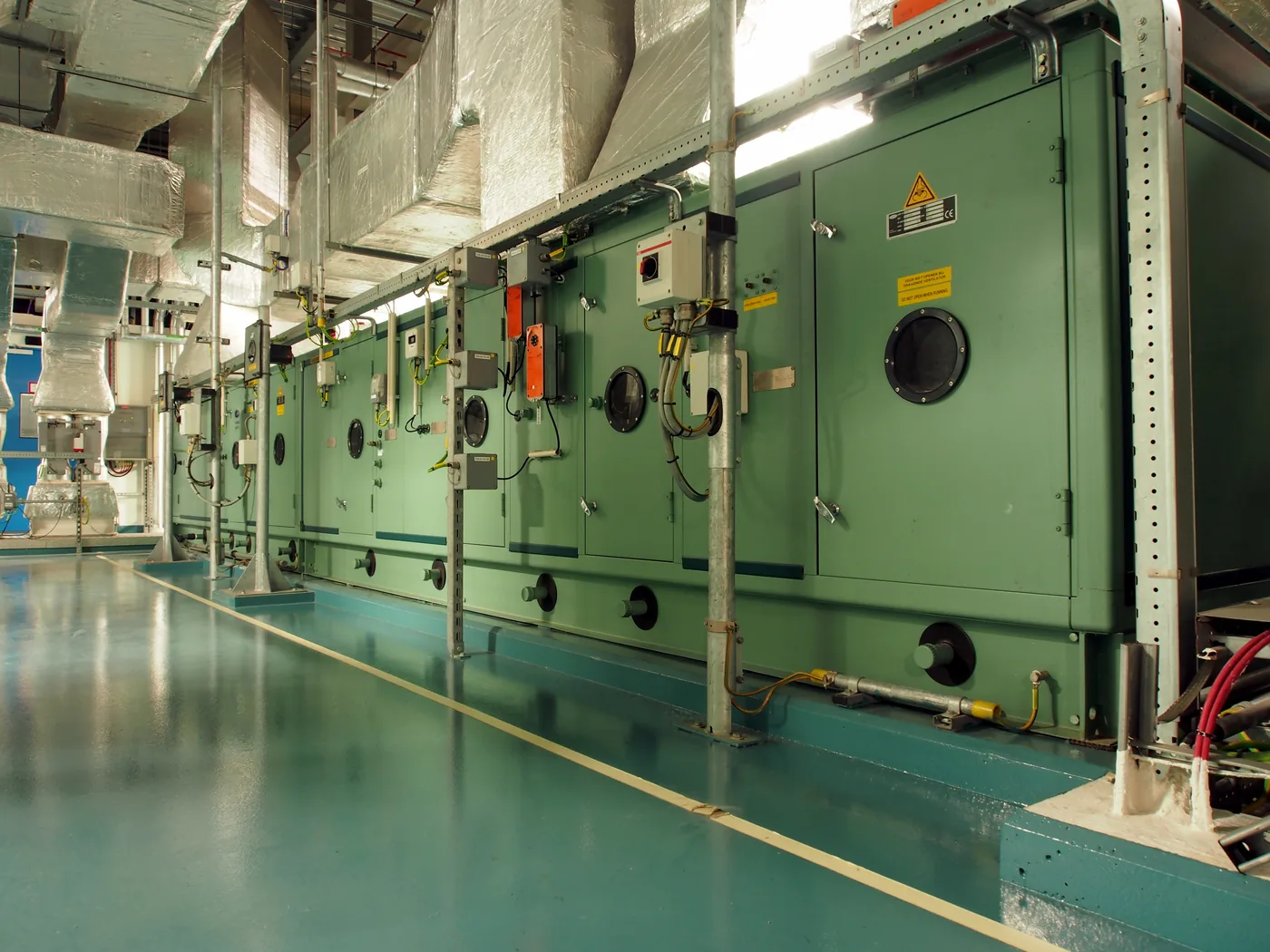
When an HVAC condensate line backs up in a Historic Oakwood, NC Victorian, local crews respond quickly to extract water and dry the structure to IICRC-standard targets, protecting original finishes.

Technicians first identify if the water is from a clogged line, a rusted pan, or a poorly pitched unit in the attic or crawlspace. They stop the overflow immediately to prevent more water from reaching the historic structure.
The crew extracts standing water from the drain pan area, ceiling, or floor. In Historic Oakwood homes, they may open a small, precise section of wet plaster or lathe to allow trapped moisture in the wall cavity to escape.
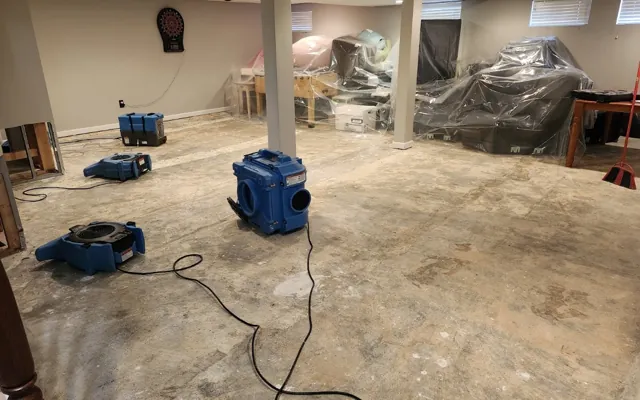
Air movers and dehumidifiers are placed to dry the affected ceiling, closet, or crawlspace to IICRC-standard dryness. This process draws moisture from the heart-pine framing and any insulation, safeguarding the home's integrity.

An HVAC condensation leak in Historic Oakwood usually runs from about $800 to $3,500, depending on how long the leak ran, where the unit sits, and how much ceiling, insulation, or framing was affected. A caught-early condensate clog sits low, while a full-season attic overflow that stained the ceiling and soaked insulation sits higher. Sudden overflow losses are commonly covered, and crews document the readings for the carrier.
Historic Oakwood's Victorian homes, built on original crawlspaces with heart-pine framing, can hide an HVAC condensation leak for weeks. The steady drip from a clogged line or rusted pan soaks into aged wood and plaster, risking rot and damage to irreplaceable period details before a single stain appears. In the humid Piedmont climate, older HVAC systems in Historic Oakwood's vintage homes often have aging condensate lines and drain pans. Clogs are frequent, and a slow leak can quietly soak the home's original crawlspace and framing for a long time. From Historic Oakwood, crews also cover nearby South Park, Mordecai, Boylan Heights, Glenwood-Brooklyn, Cameron Park, Downtown Raleigh. See every neighborhood and town on the full service area page.
See all areas servedEvery loss is photographed, measured, and logged from the first visit, so the paperwork holds up with your insurance carrier.
Technicians follow recognized IICRC drying standards and prove the work with daily moisture readings, not guesswork.
Emergency dispatch any hour of the day or night, with a real crew on the way, not a callback in the morning.
A real crew dispatched any hour, not a callback in the morning.
Trained technicians following recognized IICRC drying standards.
Truck-mounted, portable, and submersible for any size loss.
The loss is documented and billed to the carrier directly.
In many cases, yes. Sudden, accidental overflow from a clogged condensate line or pan is commonly a covered loss. Local crews document the source and all moisture readings thoroughly, which provides the evidence carriers need to process a claim for homes in the area.
Drying a condensation leak in a Historic Oakwood home typically takes two to four days. The timeframe depends on how long the leak ran and how much moisture reached the original framing or plaster. Crews use meters to verify the structure is completely dry before removing equipment.
Crews are on call 24 hours a day and can be on the way to Historic Oakwood within the hour.
Call (984) 217-6651